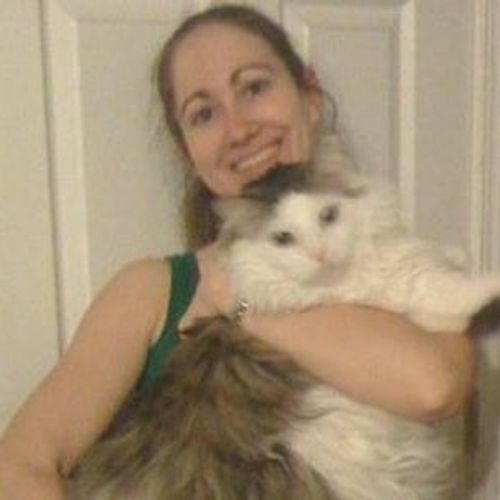
Episode 62
Happiness, Humor, and Harm Reduction in Rescue with Christie Keith
In this episode of Animal Posse, host Dixie sits down with longtime animal welfare leader Christie Keith for a deep, nuanced conversation about early spay‑neuter through a harm‑reduction lens. With more than 30 years of experience—including work with major organizations like Maddie’s Fund—Christie breaks down why medical guidelines must differ between high‑volume shelter environments and private homes.
Together, they explore the “different math” of shelter medicine, new research on neonatal vaccinations, and why early sterilization remains a critical tool in preventing pet overpopulation and accidental “teen pregnancies” in cats.
The conversation also goes beyond medical protocols. Christie shares powerful insights on how rescues can sharpen their messaging to reach donors and adopters outside their usual circles—shifting from constant heartbreak to more joyful, humorous, and hope‑driven storytelling that resonates with the general public. Dixie and Christie also dig into the realities of modern rescue management, from using AI to streamline communication to handling trolls, negative reviews, and social‑media chaos with professionalism and strategy.
This episode is a must‑listen for anyone working in rescue, shelter medicine, or animal advocacy who wants to communicate smarter, save more lives, and build a healthier relationship with the public.
About Animal Posse 🐈
Welcome to Animal Posse! We share heartwarming stories and crucial insights to make a real difference for animals in need. As a project of the Unwanted Feline Organization, we are a community of animal lovers dedicated to rescue, advocacy, and education. This podcast does not provide medical, veterinary, or professional advice.
Like, Share, and Subscribe to save lives through community, one rescue at a time!
📌 Disclaimer
This show is for entertainment and general discussion only. The experiences, opinions, and information shared by our guests are their own and are not intended as veterinary advice. This content should not be used as a substitute for professional diagnosis, treatment, or guidance. Always consult a licensed veterinarian regarding your pet’s health or any medical concerns.
#AnimalRescue #AnimalWelfare #SpayNeuter #CatRescue #AnimalAdvocacy #AdoptDontShop #TrapNeuterReturn #KittenSeason #RescueStories #PetOverpopulation #ShelterPets #RescueCommunity #Pets #AnimalLovers
Transcript
Welcome to Animal Posse, the podcast dedicated to the
2
:people and rescues making a
difference in the lives of animals.
3
:Today's guest is Christy Keith.
4
:With over 30 years of experience, Christie
helps animal welfare organizations sharpen
5
:their message and reach more donors.
6
:She's worked with industry leaders, and
she's here to help us navigate some of the
7
:toughest conversations in rescue today.
8
:Christy, welcome to the show.
9
:Christie: Hi, Dixie.
10
:Dixie: You are quite a powerhouse
in the animal welfare industry.
11
:I've been looking at your bio and you have
worked with some incredible organizations
12
:from Maddie's Fund to University of
Florida Shelter Medicine program.
13
:You do a lot.
14
:Christie: I do.
15
:I've been really lucky to work
with some great organizations
16
:and people in my career.
17
:Very lucky.
18
:Dixie: I am looking forward to our
conversation today because I wanted to
19
:talk about a topic you suggested, which
was handling the growing controversies
20
:surrounding early spay neuter
through the lens of harm reduction.
21
:And I would also like to get
into some social media tragedies
22
:that you use to ensure that those
saved lives actually find homes.
23
:Christie: I would love that.
24
:That sounds great.
25
:Dixie: When we hear about the growing
debate about the long-term health impacts
26
:of early spay neuter, how do we frame
the harm reduction model for a public
27
:that only sees things in black and white?
28
:Christie: I think that it's really
important to think about who you're
29
:talking to, and I've noticed that
there's a lot of argument going on
30
:within the animal welfare world.
31
:About this because you have a lot of
volunteers, fosters and rescuers who
32
:have a different perspective because they
have one foot in the pet owner world and
33
:one foot in the animal welfare world.
34
:And then you have shelters and shelter
medicine experts who come from a
35
:more institutional perspective and.
36
:Both of them have a set of data that it
seems to be somewhat contradictory, and
37
:I've seen a lot of very hostile arguments.
38
:This has been about spay neuter and
early spay neuter, and I've also
39
:seen it over early vaccination.
40
:There was a really interesting study
that just came out of uc Davis last
41
:year talking about vaccinating,
literally newborn kittens and puppies.
42
:Which horrified a lot of people who just
felt that this was dangerous and risky.
43
:But when you're looking at the
animals who come into shelters.
44
:A lot of the pregnant animals
who come into shelters don't
45
:have immunity to these diseases.
46
:When they do titer tests on them, they
find that a huge percentage of them,
47
:I don't remember the exact numbers,
but , I believe it was around one
48
:third, didn't have immunity to common
diseases like distemper parvo and.
49
:When you're making decisions about how to
best protect these incredibly vulnerable
50
:kittens and puppies, it's a different
decision making process than when you're
51
:looking at owned pets in a home or
eight week old, or 12 week old puppies.
52
:And.
53
:It's same with spay neuter, that the
math is different when you're talking
54
:about a shelter population than when
you're talking about, my own pet at home.
55
:I don't wanna get them spayed
or neutered at a few weeks old.
56
:At two pounds.
57
:I'll wait.
58
:But in a shelter environment, you're crazy
to wait because your math is different.
59
:And I feel like.
60
:I've seen way too many hostile
fights between people and animal
61
:welfare who don't seem to be able to
look from the other person's point
62
:of view and understand that we all
want what's best for the animals,
63
:but we all have different realities
that we're making our decisions in.
64
:So I guess I just wanted an opportunity
to talk about that a little bit and say.
65
:We can't have the same set of medical
guidelines for shelter animals that
66
:we do for owned pets and homes because
the circumstances aren't the same.
67
:Puppies and kittens and shelters are
incredibly vulnerable to disease and
68
:are incredibly prone to going out of
the shelter without being spayed and
69
:neutered If we're not doing early spay
neuter on puppies and kittens and.
70
:Possibly becoming another
statistic in overpopulation.
71
:So we need to try and have a more holistic
view of this issue and understand that
72
:sometimes the decisions that we make for
shelter animals in their own best interest
73
:are different than the ones we would
make for our own pets in our own homes.
74
:Dixie: When you say shelter environment,
are you talking strictly about,
75
:say, like a municipal shelter or
are you talking about, say rescues
76
:that house a lot of animals as well?
77
:Christie: I think it
depends on the environment.
78
:So when I say shelters, I'm talking
about a sort of institutional setting
79
:where you have crowding and stress.
80
:It doesn't have to be municipal,
it can be a private shelter,
81
:can even be foster homes.
82
:I think that you and I probably
both know that some rescue groups
83
:overstock their foster homes
because they're desperate, right?
84
:If they have more animals than
they have homes for, than they have
85
:foster homes for, they're trying
to save as many lives as they can.
86
:And they may be doing things like
bringing in young kittens when there's
87
:already kittens in the environment.
88
:They may be having pregnant cats and dogs
who are giving birth in foster homes when
89
:there's other animals still coming in.
90
:It really just depends on the
environment, but I am primarily
91
:talking about brick and mortar shelters
rather than rescue and foster homes.
92
:Dixie: Yeah, I would definitely
like to dive more into that.
93
:Now, I know from my personal
perspective, the vets that we
94
:have in my area are very good.
95
:They will do a kitten as
long as it's two pounds.
96
:Yes.
97
:And I know different vets
have different rules.
98
:If a vet feels comfortable
doing it at two pounds, great.
99
:Other vets have other rules, where they
might want 'em three pounds or even
100
:more than three pounds, and I understand
that, but a lot of the vets that I
101
:work with will do 'em at two pounds.
102
:Personally, I find I like to get
'em done at two pounds because I
103
:find that they really don't know
anything has been done to 'em.
104
:But if you wait till they're a little
bit older, they have a little bit more
105
:difficulty with the recovery from it.
106
:You could tell that it's bothering 'em.
107
:It doesn't heal up as fast.
108
:But I would definitely like to dive
more into the studies that you've
109
:gone over and the advantages and maybe
disadvantages of doing them so young.
110
:Christie: In the vaccine study that
I was just looking at from last
111
:year, from uc, Davis, it was really
interesting to me because they used
112
:language, something along the lines of.
113
:The risks are largely theoretical
and the dangers are imminent.
114
:That might not be a direct quote, but
that was essentially what they said
115
:when they're talking again about shelter
animals, that the risk of being adopted
116
:out without being altered first or
the risk of this was a vaccine study.
117
:So they were talking about the risk of
not vaccinating young enough because
118
:you can't count on the mother's immunity
to protect the puppies or kittens.
119
:Outweighs the potential risk of, in
the case of vaccines, they say if you
120
:vaccinate them too often or too young, it
might damage their kidneys in adulthood.
121
:And they say that when you do
early spay neuter, it is associated
122
:with the increased risk of certain
health problems, which when you
123
:increase the risk of something.
124
:It doesn't mean that they
will definitely get it.
125
:It doesn't even mean that
it becomes a huge risk.
126
:It means that the risk
itself is increased.
127
:I've seen a lot of people say, oh,
there was a 50% increase in something.
128
:That's a meaningless statistic unless you
know what the baseline risk was, because
129
:it may have increased by a hundred percent
and still not be that much because the
130
:risk itself was incredibly low already.
131
:So you have to really understand.
132
:What are you talking about
when you say the risk of.
133
:Bone cancer or kidney disease
is increased because of early
134
:vaccination or early spay neuter.
135
:Now again.
136
:I believe in both sets of data.
137
:I think that there are
drawbacks to early spay neuter,
138
:especially for giant breed dogs.
139
:I don't think that's made up.
140
:But I think that you have to weigh
the benefits versus the risks, and
141
:those things change depending on the
background that you're talking about.
142
:Again, puppies and kittens being
adopted out of a shelter, it's much
143
:safer for them to be sterilized
and vaccinated than to wait.
144
:It's just a fact and maybe that any harm
that might come to them down the road,
145
:which again is not something that will
definitely happen, it might be worth
146
:the risk because you saved their life.
147
:If they're not gonna survive,
what difference does it make?
148
:What their risk is later
in a life they don't have.
149
:Dixie: When you're saying risk too,
you're just talking about the risk of
150
:it increasing, not necessarily the Yes.
151
:Potential.
152
:Yes.
153
:Okay.
154
:Okay.
155
:That's what I just wanted to make
sure I was understanding that.
156
:You said that there's this new
study about vaccinating newborns.
157
:Yes.
158
:Yes.
159
:Okay.
160
:I do wanna ask you about that
since you've read the study, I do.
161
:The bottle kittens.
162
:So I'm dealing with the tiniest, little
babies that you could possibly deal with.
163
:I've done newborns.
164
:I do 'em a couple of weeks old.
165
:So when we're dealing with the babies
that size, if they get sick, the amount
166
:of meds that the vet may tell us to give
those babies is like such a minute amount.
167
:It is literally like a drop.
168
:So I know when you do the
vaccines come as one mil.
169
:So would you give that whole amount to the
baby or do you like have to dose it down?
170
:Christie: I'm not a veterinarian,
but my understanding is that a
171
:vaccine is different from a drug.
172
:A vaccine is a biologic and it
represents an immunizing dose.
173
:So when you put a puppy or kitten
in the environment, the dose of
174
:exposure to a virus or a bacteria
that they encounter is gonna be the
175
:same, whether they're the size of it.
176
:Peanut or a great Dane, right?
177
:So you need to protect them
with an immunizing dose.
178
:You need the dose that will cause their
immune system to react appropriately.
179
:So it's not really the same as
a drug which has got a direct
180
:physiologic impact on body systems.
181
:Now, again, I'm not a veterinarian
and I may be understanding that
182
:incorrectly, but that's how it's
always been presented to me.
183
:Dixie: Okay.
184
:I understand.
185
:I was just wondering if the studies
made any kind of mention of that,
186
:the ones that you have read, this
187
:Christie: particular study does not.
188
:This study is called you can
find it, neonatal Vaccination
189
:recommendations on the uc, Davis Caret
Shelter Medicine program website.
190
:And if you just Google caret
and neonatal vaccination
191
:recommendations, it'll pop right up.
192
:Dixie: Now let's talk about the advantages
since you've covered the disadvantages.
193
:Let's go over some of the advantages
of the very early spay neuter and then
194
:as well as the early vaccinations.
195
:And getting back to the spay
neuter since I did mention that
196
:they do 'em around two pounds.
197
:Is there any talk about
doing 'em even like smaller?
198
:Christie: I think that right
now everybody's pretty much
199
:hovering at two pounds.
200
:I think that smaller than that,
they can become hard to sterilize.
201
:It's harder to do the surgery and they
want them to be at about two pounds,
202
:but I think that there was a time when
they wanted them to be three pounds.
203
:They found that two pounds
was actually easier.
204
:The surgeons were finding it
easier, and as you noted, they
205
:recovered faster and more easily.
206
:And I think that some of this is just
going to be a matter of learning as you
207
:go, and, but I know right now, as far
as I'm aware, the two pound limit is
208
:pretty much universal at this point.
209
:The number one advantage in my mind is.
210
:They're sterilized.
211
:They can't reproduce.
212
:And people want to adopt kittens,
when they're cute and little.
213
:They don't wanna wait.
214
:They don't wanna sit there and
wait until they're 12 weeks old.
215
:They want them at eight weeks.
216
:They want them young.
217
:And some rescues won't adopt them out
that young, but shelters certainly
218
:do because they're better off in
a home than they are in a shelter.
219
:I don't think people really understand
how young a cat can get pregnant.
220
:I have found a lot of people think they
can't get pregnant until they're six
221
:months old and, they can practically
be grandmothers at six months old.
222
:I don't mean that literally,
of course, but you really.
223
:Have to try and wrap your brain
around how much risk a cat is at of
224
:teen pregnancy to understand why it's
so important to spay them young and
225
:spay them before they're adopted.
226
:And so pet overpopulation preventing
unwanted litters is, without
227
:question the single biggest benefit
of early spay neuter, however.
228
:Surgeons comment that the surgery
is easier and many people involved
229
:with helping them recover say
recovery is also easier on the,
230
:these very young kittens and puppies.
231
:And for this reason, and I'm talking a
lot about kittens because they're smaller.
232
:Of course there are toy dogs, but most
dogs that are in shelters are bigger dogs.
233
:And so of course they're larger When
they're the same age as the kitten,
234
:they're much bigger than the kitten, so
people don't react to it as negatively.
235
:But in fact, many of the risks are greater
with dogs, especially the larger dogs.
236
:Of, orthopedic problems
associated with early spay neuter.
237
:So there is a lot of argument going on
about whether or not the risks outweigh
238
:the benefits, but you only have to
understand that medium to large size
239
:dogs represent most of the dogs in
shelters, and these dogs are young.
240
:Intact and huge percentage of them do
not have immunity to common diseases.
241
:So this is a very at risk population
that could have been prevented.
242
:A lot of their challenges could
have been prevented with early spay
243
:neuter, either because they wouldn't
have been born in the first place or
244
:because that individual dog would have.
245
:Fewer behavior issues.
246
:A lot of times, I don't wanna say
that intact status directly causes
247
:behavior problems because that
really hasn't been my experience
248
:with at least dogs that I've known.
249
:But what I will say is that
there's an association.
250
:Dogs entering shelters with dogs not
being intact with dogs who are intact.
251
:So intact dogs are more likely
to come into shelters, and intact
252
:dogs are more likely not to
be immune to common diseases.
253
:So it's a perfect storm of
vulnerability and problems.
254
:So early spay neuter, again,
steps in and prevents a lot of
255
:these problems from happening.
256
:Dixie: And I think even a lot of times,
especially like you said with the
257
:cats and the kittens getting pregnant
at four months, even people with the
258
:best intentions, I don't think they
always understand, they may be 100%
259
:pro spay neuter, but when they get a
kitten and it's three months old and
260
:they say, okay, we're gonna keep it
inside we're not gonna let it outside.
261
:We want an indoor only cat.
262
:I don't think that they realize a lot of
the times when they come into maturity
263
:that they're trying to get outside and
they will find a way to sneak outside.
264
:And when they are tiny, they're easier to
sneak outside than when it is a big cat.
265
:Even though the big cats can
do it too, and so That's right.
266
:I find that's definitely an issue.
267
:I've seen that happen many a times when
people are like we had the spay neuter
268
:appointment set up and she got outside.
269
:Christie: Yeah, you hear that
a lot when you have these very
270
:young cats having kittens.
271
:You have people who say, not only
did they not know they could get
272
:pregnant that young, but I can't
tell you how many, litters of kittens
273
:I've seen where the people swore that
they were indoor only cats who were
274
:too young to get pregnant and they
couldn't believe that it had happened.
275
:Dixie: When you're working with
all of these groups , do you
276
:Help to educate them about these
new findings, or are they the
277
:ones approaching you with it?
278
:Christie: They're the ones who educate me.
279
:I've been so lucky to work with so
many great shelter medicine vets.
280
:I was the communications manager for
the Million Cat Challenge, which was a
281
:joint project of the uc Davis Shelter
Medicine program in the University
282
:of Florida Shelter medicine program.
283
:It's was a Maddie's fund project,
and so much of what I learned about
284
:cat spay neuter, and just cat.
285
:Population management in general was from
the seven years that I worked on that
286
:project, it was an incredible opportunity
to learn from people who are truly in the
287
:trenches and really know what's going on.
288
:And just Dr.
289
:Kate Hurley and Dr.
290
:Julie Levy are two of my
heroes, and working with them
291
:was the honor of a lifetime.
292
:Dixie: I would like to switch gears
a little bit and talk a little
293
:bit now about the social media.
294
:Yes.
295
:Okay.
296
:'cause it's one thing.
297
:So first you, of course you wanna
use social media to get homes.
298
:Yes.
299
:You also wanna use social media to
spread awareness of spay neuter.
300
:Christie: Yes.
301
:Dixie: But I find that,
like for me personally.
302
:It's like all of my social media friends
and all the people that follow my social
303
:media page are pretty much all people that
are already all on board with this, and
304
:they are at their capacity of animals.
305
:So how can you leverage social media to
get that message across to new people?
306
:To find more homes for animals, to
spread more awareness of spay neuter.
307
:Christie: That's such a
great question, Dixie.
308
:I love that you asked it.
309
:I think there's two answers to it.
310
:One of them has to do with what
you're saying and the other has to do
311
:with the channels that you're using.
312
:Not you personally, but just
all of us in animal welfare.
313
:I think that sometimes we are just
preaching to the choir, both in terms of.
314
:What we're saying and in terms
of who we're talking to, and by
315
:being able to spread out and try
and get our message in front of.
316
:An audience who's not sick and
tired of hearing about it is tricky.
317
:And I've noticed a lot of benefit to
posting to local groups like Nextdoor and
318
:groups that are set up to like community
groups, like for a particular town.
319
:We have a lot of them in the
area where I live on Facebook,
320
:for example, where you'll have.
321
:Facebook group for this town or
that town and that there's a lot
322
:of people who like to spread animal
welfare messages, but those audiences
323
:respond to different things than
animal welfare audiences respond to.
324
:And this is something that
I've been talking about now for
325
:probably 15 years, is that we talk.
326
:In ways that appeal to us and activate
us and motivate us, but we have to
327
:start talking in ways that motivate
not us, that motivate regular people.
328
:One of my colleagues is Sharon Fletcher at
Maddie's Fund, and she used to always say.
329
:She would talk to her neighbors and she
would run messaging by her neighbors.
330
:And we started calling it the
Sharon's Neighbors Test, and
331
:I still use it to this day.
332
:And I say, okay, what would
Sharon's neighbors say about this?
333
:Or how would they hear this information?
334
:And I was on a really
interesting call the other day.
335
:I'm the Michigan State
representative for the.
336
:United Spay Alliance and I went to a
United Spay Alliance meeting and we were
337
:talking about messaging around spay neuter
and someone made the comment that spay
338
:neuter isn't sexy and it's really hard to
message spay neuter to the general public.
339
:And I was thinking about it a lot and
talking it over with another colleague
340
:and we were saying, spay neuter is.
341
:Sexy . There's a lot of really
powerful stories around spay neuter.
342
:The pet overpopulation story is powerful,
but there's the health benefits story
343
:and there's, because, we talk about
the health risks of early spay neuter,
344
:but spay neuter itself in general
does have a cumulative positive.
345
:Impact on health and and
longevity, especially in dogs.
346
:And you can reach people with messages
that touch on preventing homelessness and
347
:suffering, preventing health problems.
348
:You can really get to people and
make them think, whereas so often.
349
:When we message spay neuter, we
do it in this really lecturing
350
:way that is not very sexy.
351
:It's not very interesting and appealing.
352
:It doesn't touch people's hearts.
353
:It doesn't tell people
what's in it for them.
354
:It.
355
:It misses all the opportunities
that we've learned about in public
356
:speaking and persuasion to really grab
people by their hearts and make them
357
:understand something in a different way.
358
:So does the same with adoption.
359
:We tend to tell these heartbreaking
stories about our animals.
360
:Because those are very motivational
for a rescue audience, and a lot of
361
:times that's who we're talking to.
362
:The average people want happy,
healthy pets who are gonna sleep
363
:at the foot of their kids' beds.
364
:They don't want a project, they
don't want a pet who's suffering
365
:from post-traumatic stress disorder.
366
:They want.
367
:A moment of happiness and joy.
368
:That's what they want.
369
:I'm not saying that people can't be
reached by heartbreaking stories.
370
:We all know that they can.
371
:I'm saying that the more you tell
those stories, you run the risk of
372
:poisoning the well for adoption.
373
:For people who aren't looking
for that, who outnumber.
374
:People who are looking for that project
PET or that heartbreaking story to
375
:feel like they've rescued an animal.
376
:PetSmart Charities did some interesting
research on this, and again, I don't
377
:have the research in front of me.
378
:I can't quote from it directly,
but they were talking about what
379
:it was that people were looking for
in a pet and all the things that
380
:motivated them to want that pet.
381
:The story, the pet's background
story was the least important
382
:and humorously enough, the number
one thing that they liked about a
383
:dog was that the dog jumped on them.
384
:So we spend all this time training
dogs not to jump on people, but in
385
:fact the doctors seemed to like it.
386
:But yeah, so I think
that we really need to.
387
:Be very conscious of the audience
when we're trying to get our message
388
:out beyond our core following, to
look for these opportunities to put
389
:the message in a different place.
390
:A place that's not already saturated
with our messaging, but to talk
391
:about it in ways that appeal.
392
:To the general public who are looking
for these joyful experiences and humor.
393
:One of my clients for 14 years
was the Shelter Pet Project,
394
:which was the ad council's public
service advertising campaign.
395
:And all our ads were funny or
heartwarming, and we never did any
396
:sad or, the first set of ads that
we did were all very humorous.
397
:And we got a lot of attention for that
because this was back in, I'm just trying
398
:to think what year it must have been.
399
:Must have been maybe the early
two thousands I'm thinking.
400
:We were.
401
:Mid two thousands and it was
really uncommon at that point for
402
:people to do ads for pet adoption
that weren't heartbreaking.
403
:Arms of the angels and all that.
404
:Which to be fair are mostly fundraising
ads, not adoption ads, but in rescue.
405
:I'm sure you've seen just the
avalanche of stories of, this tragic.
406
:Background that the pet has and how we're
gonna save them from this terrible trauma.
407
:And and we've really become overly reliant
on that is the only note that we have.
408
:And to remember that humor and
touching people's hearts in a
409
:positive way is more popular.
410
:Dixie: Yeah, I can agree with that.
411
:I can actually see that now
that you mentioned that.
412
:Because if you do have that
heartstring case that you tend to
413
:attract somebody that has already
has a rescue pet, essentially.
414
:Now, I'm gonna say like , in some
special needs cases that might
415
:be who you wanna attract anyway.
416
:So in that approach it might be good.
417
:Absolutely.
418
:But
419
:Christie: Absolutely.
420
:Dixie: Yeah.
421
:But for the general.
422
:Adoptions.
423
:I can see that, if you say, oh I
rescued these puppies off the side
424
:of the road and they need homes.
425
:And I think people sometimes might think
why were they on the side of the road?
426
:Was there something wrong with them?
427
:So maybe that's not a good choice for us.
428
:So , I can see what, if you frame it in a
more positive light, how it would attract.
429
:Different people,
430
:Christie: soccer moms.
431
:Dixie: Yeah.
432
:Yeah.
433
:I , can see that what I always in my
434
:Christie: head is.
435
:Yeah, exactly.
436
:Exactly.
437
:And there's more of them.
438
:They outnumber us.
439
:Dixie: Yeah.
440
:Yeah.
441
:And in your audience, and I will say
too that I've noticed on the, my latest
442
:adoptions, I have a good sense of humor.
443
:So I tend to do a more
comical twist on things.
444
:Good.
445
:So I do see that since I've started doing,
and letting my kind of humor come out that
446
:I do see my adoption rates are going up
and then I'm also getting adopted faster.
447
:Another thing that I would like to ask
you too is I see on your LinkedIn that
448
:you're a Reagan AI certified communicator.
449
:Christie: Yes,
450
:Dixie: I
451
:Christie: am.
452
:Dixie: Okay, so what is that?
453
:Christie: So I took a course, a
certification course in working with ai.
454
:I was very interested in it when it first
appeared on the scene and, some of the
455
:negative things that, that we've learned
about AI since then have maybe given
456
:me a little bit of pause, but I still
think that it's a really powerful tools.
457
:For tool for animal welfare, especially
when we, nonprofits in general, but
458
:animal welfare specifically because
we run so lean in terms of only
459
:the biggest shelters have an entire
communications team or marketing team.
460
:And rescue groups often don't have
anyone with marketing or communications
461
:experience, and they still have
marketing and communications needs.
462
:So I wanted to be able
to really understand how.
463
:I could advise people to use AI to write
adoption listings, pet bios, social
464
:media posts newsletters fundraising,
appeals, grant applications, all the
465
:things that AI can help you with.
466
:I wanted to be sure that I knew
how to advise them to use those
467
:things or avoid them, and.
468
:What, how to avoid making mistakes
with them and how to get the most out
469
:of an interaction with an artificial
intelligence because what you put
470
:into it determines what you get out
of it, but it is still a huge time
471
:and money saver for nonprofits.
472
:So I really wanted to pursue that
so that I could bring that to the
473
:table with my clients and make sure
that they got the benefits of working
474
:with AI if it would help them.
475
:Dixie: Has it been beneficial to
them in terms of writing adoption
476
:bios and maybe social media posts?
477
:Christie: I don't know.
478
:I can tell when I'm on Petfinder
when bios have been written by ai.
479
:They're just obvious.
480
:I don't know if it matters.
481
:Sometimes I think that.
482
:We need to spend more time educating
people on how to write good AI prompts and
483
:because they're just going in and they're
not giving the AI the right information
484
:to really produce good results.
485
:So I think there's still a lot of
work to be done, but I think that
486
:other times it's like plastic surgery.
487
:The ones and you notice are the bad
ones, but the good ones you don't know.
488
:You because you can't tell.
489
:I think that's probably true of AI too.
490
:There's probably really good
work being done out there that is
491
:invisible because it's so good.
492
:And so I'm not a hundred percent sure,
but of my clients, I try to work with
493
:them on how they do their prompts.
494
:That's the number one
thing I work with them on.
495
:Dixie: One more thing too before we
end the call that I would like to
496
:touch on is negative comments Yes.
497
:On social media.
498
:How do you handle those?
499
:What is the best way to handle that?
500
:Whether it's, you're either promoting
spay neuter and somebody has that
501
:negative comment to say, or somebody
gets mad because they wanna adopt from
502
:you, and either that animal has already
been adopted or you might not think
503
:they're a good fit for that animal.
504
:Christie: I have become much
more hard-ass about this.
505
:In my old age here, I used to be
much more soft about it, but I've
506
:seen way too many derailments of.
507
:People's social media platforms by
people who weren't being genuine,
508
:who were just stirring up trouble.
509
:So when you get a negative
comment, it might be the most
510
:valuable thing that you're.
511
:Organization will ever get, it's the
cheapest focus group you'll ever have.
512
:Is someone pointing out a problem
saying to you, why did you do this?
513
:What is happening?
514
:I went on your website and I
saw this and I don't understand.
515
:Why are you spaying neutering at.
516
:Two pounds.
517
:It's terrible.
518
:Whatever the negative comment is, this
is really useful information for you
519
:and you should be grateful for it.
520
:And so I always say the first thing
you do when you get an a sincere,
521
:negative comment, like something
that doesn't appear to be trolling,
522
:is you say, thank you very much
for bringing this to my attention.
523
:And then you say something like,
we would love, you know it.
524
:It depends on what they said.
525
:You can either say.
526
:This is what we do because this is
the recommendation of, the Association
527
:of Shelter veterinarians or something
appropriate and fairly short.
528
:Sometimes it's appropriate to say, please
contact so and so at such and such email
529
:address so we can, we can get to the
bottom of this with you that might be
530
:more appropriate for a customer service
type complaint where they say, I left
531
:a message and no one called me back.
532
:Or I filled out an adoption
application and I never heard from
533
:anyone, or something like that.
534
:You might wanna get them off social media
and direct them to an email address so
535
:that this isn't happening in public.
536
:But for trolling comments.
537
:Your response is not going to be
for them because they're not a
538
:sincere player in the conversation.
539
:They are just there to make trouble,
and what I do with them is I make
540
:one answer that sounds sincere and
polite and even welcoming because
541
:I'm not answering it for them.
542
:I'm answering it for all the people
reading it, and then I delete everything
543
:after that because we're done.
544
:It's over and if it becomes a
really hotbed of flames and I
545
:can't control it anymore, I just
delete the original comment.
546
:I didn't use to be like that.
547
:I used to feel like we shouldn't be
deleting all these comments, and now I'm
548
:just like, if they're not sincere, if
they're just there to make trouble, they
549
:don't need to do it on my real estate.
550
:So I usually advise people to be
pretty tough with trolling comments.
551
:Dixie: That makes a lot of sense.
552
:What would you say about the ones that
say they fill out an adoption application?
553
:You call them up, but you tell
'em, Hey, this animal is not
554
:a good fit for your family.
555
:We're not approving your application.
556
:Because I do see that a lot where a
lot of them will go onto rescue pages
557
:and they'll try to get their friends
on there too, to say, go leave bad
558
:reviews and do things like that.
559
:So how would you handle those?
560
:Christie: Yeah, that's so
difficult because there's so
561
:many channels for them to lead.
562
:Bad reviews too.
563
:It's not just social media, it's also
Google reviews and Yelp reviews, and
564
:it can become really time consuming
for a small nonprofit, especially
565
:to track all these things down.
566
:But usually I would say first of
all, I always try to frame turn
567
:downs as positively as possible.
568
:So let's say someone has tried to adopt
a specific cat and you don't think that
569
:cat would be a good fit with this family.
570
:I would just try to steer
them to another cat.
571
:Unfortunately, sometimes you wouldn't
adopt to them at all, and they're, you
572
:are just, you're just turning them down
and inevitably people are gonna be upset
573
:about that because no one likes rejection.
574
:So you are inevitably
going to face this problem.
575
:And I would say I'm very sorry that
this didn't work out for you and us.
576
:Please.
577
:Contact us at this email address
and try and get it off social media.
578
:And then I would also leave responses
to like one of the things that I
579
:recommend that people do for reputation
management is to answer their reviews.
580
:And I always would say, we're so
sorry that this didn't work out.
581
:We hope that we wish you luck
in your search for a new pet
582
:because again, it's not for them.
583
:Nothing that you say
is gonna satisfy them.
584
:They're not there to be satisfied.
585
:They're upset, they're lashing out and
they blame you and they feel like they're
586
:being told they're a bad pet owner and
irresponsible and all kinds of terrible
587
:things, and there's not really nothing you
can do about that except be professional.
588
:Try to keep it from taking over your
social media, which is hard because like
589
:you said, they'll drag their friends
in on it and they'll also post lies.
590
:And that's another thing that
I recommend doing is saying.
591
:We've gone through our records and we
don't have any record of an adoption
592
:application from anyone with your name.
593
:Can you let us know what name your
adoption application was made under?
594
:So we can get to the bottom of this?
595
:Because what you're doing there is
signaling to the public who maybe
596
:is reading these reviews that the
person is fake without coming right
597
:out and saying the person is fake.
598
:And usually they don't answer you.
599
:So your response is just hanging there.
600
:You responded, you were professional,
you signaled that they were fake.
601
:You didn't say anything objectionable.
602
:That's the best you can
do in that circumstance.
603
:But that would be for a review
more so than a social media post.
604
:Dixie: Yeah, it's very good advice.
605
:Thank you so much for
speaking with me today.
606
:Christie: Oh, Dixie, it was a lot of fun.
607
:I really enjoyed speaking with you too
608
:Dixie: that's it for today's
episode of Animal Posse.
609
:If you love what we're doing,
please consider becoming a member.
610
:Your support directly helps us continue
highlighting the people and stories
611
:that save lives across the country.
612
:Just a quick reminder, the views
and opinions expressed by our
613
:guests are theirs alone and are
provided for entertainment purposes.
614
:They don't necessarily.
615
:reflect the official position of the show,
and this information should never replace
616
:the advice of your own veterinarian.
617
:Thanks for listening, and
we'll see you next time.