Episode 88
From Circus Bears to Sanctuary Dreams: Kati Krouse and the Fight for Exotic Animal Welfare
What happens to bears, big cats, parrots, and other exotic animals when they can no longer be kept as pets, used in entertainment, or housed by failing facilities?
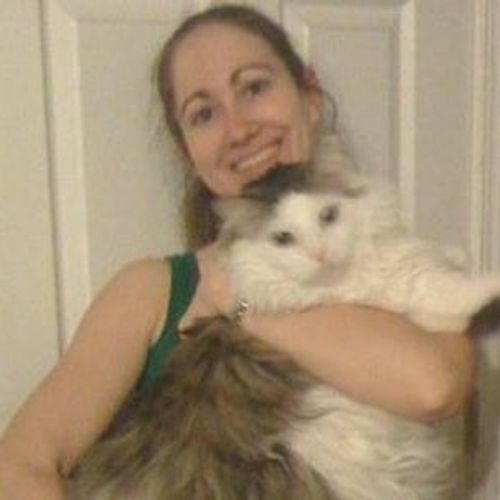
In this episode, Dixie sits down with Kati Krouse, founder and executive director of Bears Etc., the nation's first bear-focused sanctuary. Kati shares her journey from a farm kid in Indiana to veterinary medicine, wildlife rehabilitation, and ultimately creating a nonprofit dedicated to giving captive wildlife a second chance.
Together, they discuss the realities of the exotic pet trade, roadside zoos, circus animals, sanctuary life, wildlife advocacy, volunteer training, and what it truly takes to provide lifelong care for animals with nowhere else to go.
You'll also hear how Bears Etc. is preparing to welcome rescued bears, why education is one of the organization's most powerful tools, and how everyday people can help create a better future for exotic animals.
Learn more and support the mission at bearsetc.org.
Transcript
Welcome back, everybody.
2
:Today we are gonna be taking a deep
dive into the world of exotic animal
3
:welfare and sanctuaries, and what it
takes to build a lifelong haven for
4
:animals that have nowhere else to turn.
5
:My guest today is Kati Krouse, the founder
and executive director of Bears Etc.,
6
:The nation's very first bear-centric
sanctuary . Kati journey with animals
7
:started long before Bears Etc.
8
:From working at a veterinary clinic
as a teenager and studying as a
9
:vet tech at Purdue University to
volunteering with sanctuaries and
10
:seeing firsthand the overwhelming
need for exotic animal placements.
11
:Kati has dedicated her life to
rescue, education, and advocacy.
12
:Today we're talking about her
journey, the harsh realities of the
13
:exotic pet trade, and how Bears Etc.
14
:is providing captive wildlife
with a true piece of the wild.
15
:Kati, welcome to the show.
16
:Kati: Hey, thanks.
17
:Dixie: I didn't know anything about
Bears Etc until you reached out to
18
:me, and I went and checked out your
Facebook page, and it is just amazing.
19
:I would like to know if you could take
it all the way back to the beginning
20
:before you had a sanctuary and before,
like, all your vet tech studies.
21
:What was young Kati like with animals?
22
:Did you always know you were gonna
dedicate your career to animal welfare?
23
:Kati: Oh, yes.
24
:I grew up on a farm in Northeast
Indiana, and I was fortunate enough to
25
:know my, some of my great-grandparents,
and I was always trying to tame
26
:my great-grandfather's barn cats.
27
:And so growing up on the farm,
also we had a lot of dogs and cats
28
:dumped on our property, and stuff.
29
:And so it was, My grandfather
he milked cows until he was in
30
:a tractor accident, and so then
we just farmed crops from there.
31
:But there were always animals in our
life, and so I was always catching snakes
32
:and frogs and, walking in the woods and,
do- doing stuff outside being up there.
33
:Growing up in the, late '70s, '80s, we
didn't have cable, we didn't have…
34
:we were farm kids, and so we were
outside doing stuff all the time.
35
:And so either, playing in the
snow in the winter or, back in
36
:the woods during the summer.
37
:My cousin had horses, so
sometimes we would ride horses.
38
:And all the neighbors really had
cattle both dairy and beef cattle.
39
:And so I was around animals
basically all of the time.
40
:And so yeah went into high school
where I could work half a day and go
41
:to school half a day my senior year,
and I worked for a veterinary clinic,
42
:and that really solidified it that I
wanted to help save animals, right?
43
:I wanted to do exotics and wildlife
is really what I wanted to do.
44
:Little did I know until then
that there was more than becoming
45
:a veterinarian available.
46
:We didn't have Google then.
47
:We didn't have, we didn't
have any of that there then.
48
:It was, research through books in
the library and stuff like that.
49
:And so until I went to college
did we really have more of that.
50
:And so through working for this
veterinarian, I found out about the
51
:vet tech program at Purdue University.
52
:And so then, I decided I was gonna
go to vet school or vet tech school.
53
:So in the meantime, this gal brought
in this Amazon parrot that the
54
:chimpanzee had broken its wing.
55
:And I was like, "What?"
56
:And so then I went and became a
high school intern at what was
57
:then the Black Pine Animal Park.
58
:And they were breeding tiger cubs and had
baby monkeys and things of that nature.
59
:And I was a high school intern
there, still volunteered through
60
:my freshman year of college.
61
:And then when I got into the vet tech
program, I wanted to really track
62
:wildlife and exotics and created my own
internships, went and did an internship
63
:at the Wildlife Center of Virginia.
64
:I was a wildlife rehabber volunteer
through the Wildcat Wildlife Center
65
:there in Delphi, Indiana, which
is about an hour from Purdue.
66
:And I also worked as a zookeeper during
the summer at the Columbian Park Zoo.
67
:So really started to get into it
and learning everything I could
68
:about exotics and wildlife, both,
captive and the wild wildlife.
69
:And so it really solidified I wanted
to have my own center one day, not
70
:knowing what it would be at that time.
71
:And so then I started working for
PetSmart and working in their pet
72
:care area, so the hamsters, guinea
pigs, fish, all of that stuff, and
73
:learning all, everything I could there.
74
:But then I got passed up for a
management position, and I was
75
:like I can't continue to do this.
76
:I need something else."
77
:And so I became a dog groomer, but that
gave me the financial financial ability
78
:to become a wildlife rehabber again.
79
:And so I was in Texas at the
time, so I started doing a little
80
:bit of wildlife rehab again.
81
:And I was really good at management,
and so I came back to Indiana when my
82
:sister had my nephew, and I was like,
"I really wanna get back into wildlife."
83
:And I left PetSmart and started
my own shop and went back to
84
:volunteering at what had now become
the Black Pine Animal Sanctuary.
85
:So no longer buying, selling,
breeding, trading, or using
86
:animals for entertainment.
87
:And so really learning the plight
of exotic wi- and wild animals in
88
:captivity, and the amount of animals
that needed placement and what
89
:the exotic pet trade was and just
everything that encompasses that.
90
:And I said, "Okay, this is my
niche," specifically bears, because
91
:I collected teddy bears growing up.
92
:I had bears all over the place.
93
:And when I had first started at the
Black Pine Animal Park, I met these
94
:two retired circus bears, and I learned
about what happens to circus bears.
95
:And so I was like, "Okay."
96
:And then coming back and becoming
the manager at the Black Pine Animal
97
:Sanctuary, no one wants to do bears.
98
:They dig, they climb they are
smarter than tigers and lions.
99
:They're smart like primates and
elephants, and they really became my
100
:favorite animal once again, basically.
101
:And I said, "I'm gonna start a sanctuary
for bears," because so many sanctuaries
102
:across the country, they're big cat
focused, they are reptile focused, they
103
:are parrot focused wolf dog focused.
104
:Nobody is focusing on bears
out of the exotic pet trade.
105
:So these are pets living
in people's backyards.
106
:These are from roadside zoos that are
closing down or being closed down.
107
:They are retired circus animals.
108
:Th- They're, they run the gamut.
109
:And in 2017, I found out that there was
1,000 bears currently needing placement,
110
:and so that's when we started Bears Etc.
111
:That's when we got our nonprofit status.
112
:So we'll be celebrating our 10th
birthday, or our 10th bearthday, our
113
:10-year bearthday in February of 2027.
114
:So we're gonna have a bearthday bash,
so we're pretty excited about that.
115
:So that's where we are today with
everything we've been doing and helping
116
:pass the Big Cat Public Safety Act,
and just advocating and fundraising and
117
:everything we can to make this happen.
118
:Dixie: That's amazing.
119
:When you first started, you got
into doing the wildlife rehab.
120
:What made you focus more on just exotics
and the wildlife in general, as opposed
121
:to going into helping cats and dogs,
since you did train as a vet tech?
122
:Kati: Really the wildlife that
I grew up seeing in the wild and
123
:the difference between the two.
124
:Wildlife rehab and release, yes, that
is great, but working in the veterinary
125
:hospital, it really opened my eyes to
the number of people that have exotic as
126
:pets and don't know anything about having
them except for they saw it on YouTube
127
:or saw it on Instagram or saw it on…
128
:they're like, "Oh, I got it because
of this," and then they were coming
129
:in sick on their deathbed because
they knew nothing about them.
130
:And when wild animals show that
they're sick, that means they're
131
:really sick, because wildlife
doesn't show that they're sick until
132
:they're on death's door, basically.
133
:So trying to save them and do more
education and, when people need help with
134
:them because they are sick or building a
ha- a proper habitat for them so they can
135
:thrive, they don't just live, they thrive.
136
:Like, all of that encompasses
everything that I wanted to do,
137
:and that's what we're doing.
138
:Dixie: You said that your eyes
became open to the bears when you
139
:came across these two circus bears.
140
:Can we go back to that and
discuss that a little bit?
141
:Because I don't think a lot of people
understand what's going on with this
142
:whole, circus, roadside zoo type thing.
143
:You know- Yeah … I'm not talking about
the animals that are in sanctuaries or
144
:that are in these zoos that- Yeah, ACC
145
:Kati: accredited
146
:Dixie: zoos.
147
:Kati: Yeah.
148
:And even then, each one has its- problems,
or just because they're accredited
149
:doesn't mean that their management are
the best in putting the animals first.
150
:The zookeepers put the animals first,
obviously but not always is management
151
:the best at putting the animals first.
152
:But back to the circus bears bears
will live 30 years in captivity.
153
:And so when they're performing and they're
sitting for long hours and traveling long
154
:hours, it just takes a toll on their body.
155
:There was a study done many years
ago, and I can't remember when,
156
:but they showed that a bear raised
on concrete or hard surfaces ha-
157
:has arthritis by the age of nine.
158
:And so they will live 20 years,
if quality of life is there,
159
:with arthritis and live in pain.
160
:What kind of quality of life is that?
161
:Th- it's not.
162
:And so traveling, their
bodies aren't used to bumps.
163
:They're not made for all that.
164
:If you've ever traveled long
distances, we travel all the time
165
:doing rescues and, a 24-hour ride in
the car is not always comfortable,
166
:even if you have comfortable seats.
167
:So riding on a hard surface in a cage
transported from here to there for,
168
:eight, nine months out of the year, one,
hurts after a while and the arthritis.
169
:Number two I saw a fifth generation
wild animal trainer beat one of
170
:his bears, and I was just like…
171
:Because he wouldn't do what he
wanted him to do, and he was doing it
172
:behind the scenes where nobody saw.
173
:And I was just like, "Oh my
gosh, I can't even believe this."
174
:And then being, not necessarily some
places starving animals in order
175
:for them to perform for the food.
176
:The the elephant, the hooks that they use
on, the bullhooks they use on elephants
177
:and the pain that causes, intimidating
them when they're little in order for
178
:them to listen once they're big and tying
them, when they're little so they can't
179
:move, so that way when they're big they
think they're tied, tight and don't move.
180
:And just the actual enrichment
of it all and what they
181
:receive when they're back home.
182
:They're just fed and put away, right?
183
:They aren't enriched like they are in
zoos, and they aren't there are things
184
:that happen behind the scenes that
nobody ever sees while they're on tour.
185
:Like, how are they treated once
they get back on the property?
186
:Are they just stuck in the backyard
until next year and just thrown food?
187
:It just…
188
:Yeah, there's a lot that goes on behind
the scenes that nobody knows about
189
:for those animals in those circuses Or
even those roadside attractions when
190
:you do pay-to-plays at these roadside
attractions when you're, thank goodness
191
:for the Big Cat Public Safety Act stopping
the, photo prop industry for big cats.
192
:But they still do it with bears.
193
:They still do it with wolves.
194
:They still do it with monkeys.
195
:They s- they still do it with
other animals, but, they're
196
:only fed when somebody pays to
have a picture taken with them.
197
:One of the worst last meal syndromes
I've ever seen was in a Syrian brown bear
198
:cub that was a part of that photo trade.
199
:And so they're on- they never get
satiated, especially, in the fall when
200
:they're going into their hyperphagia
when they're supposed to eat a lot.
201
:She just act like she was just starving
all of the time, and I just felt so
202
:bad because of where she came from
because they don't get full meals
203
:unless somebody is feeding them and
there's a lot of people in line to
204
:feed them that they get their full
bottles that they need for nutrition.
205
:And we also see a lot of they don't
feed them enough for them to grow, so
206
:they can lie about their age and use
them for longer to earn that money.
207
:We saw that with some white tigers that
Turpentine Creek rescued out of Colorado.
208
:They couldn't even walk because they
had metabolic bone disease so bad, and
209
:they lied about the age of the cubs.
210
:And so it's just really sad
what's happening out there
211
:for the almighty dollar.
212
:I won't go to circuses or roadside zoos
or if they offer any animal interaction
213
:I don't go to them because it's about
the money that animal brings in.
214
:It's not about the
well-being of that animal.
215
:Dixie: Yeah, absolutely.
216
:And when I was a teenager,
I didn't know all that.
217
:Kati: I didn't either
218
:… Dixie: I thought it was like,
"Oh, look at these animals.
219
:These animals love these people.
220
:They're so well taken care of."
221
:And so I have to say that is one
good thing about the internet is that
222
:you got to see all that stuff that's
happening behind closed doors, and it
223
:really opens your eyes to it and you
realize, "Oh my gosh, I can't believe
224
:that I took a picture with a cub," or
225
:Kati: yeah.
226
:Yeah.
227
:Dixie: It's really insane.
228
:How do you come about
the bears that you get?
229
:Do people contact you?
230
:Are they rescued?
231
:Kati: It really runs the gamut.
232
:Sometimes we have private owners contact
us, they just can't do it anymore.
233
:One gentleman was dying of cancer and
so we got a phone call from his sister.
234
:We get USDA, US Fish and
Wildlife, Texas Parks and
235
:Wildlife, animal control agencies.
236
:And we actually, Some of the
animals that we take in, there's
237
:an et cetera part of Bears Etc.
238
:While our focus is bears, some of
the et cetera animals, we had to stop
239
:taking in from the public and put
a basically, we will not take from
240
:the public person unless it's, large
carnivores, so bears, tigers, lion- or
241
:if it's from a gov- governmental agency.
242
:We because we were just getting so
many calls for snakes, bearded dragons,
243
:kinkajous, coati mundis, like all
of these animals that were needing
244
:placement, and we couldn't sustain that.
245
:We can't say yes to every animal.
246
:We have to stay focused, and so
we are not their backup plan.
247
:"Oh, I'm gonna get this animal,
and if it doesn't work out,
248
:I'm just gonna call Bears Etc.,
249
:and they'll take it."
250
:We are not people's backup plan.
251
:We have to pick and choose, who we're
gonna take in and or who, how are
252
:we gonna help find placement for the
animals and things of that nature,
253
:because we can't say yes to everything.
254
:But we get a lot of calls, and
it's just increasing as more and
255
:more places are closing down.
256
:More and more places are getting
shut down by governmental agencies.
257
:And yeah, we j- we can help
transport, like our four fo- fox
258
:that we have, the Fox-Tastic Four.
259
:We helped with the transport
and networking of the animals
260
:from an Ashtabula fur farm,
and so we can help transport.
261
:We've helped several organizations
transport primates and fox and
262
:skunks and wolf dogs and y- you
know, all of that we can do.
263
:But we can't always say yes to placement.
264
:But we can definitely
network and help transport.
265
:Dixie: How many residents do
you have at the sanctuary?
266
:And also, since you did mention the et
cetera part of your name, Bears Etc.,
267
:what are the other resident
species that you have?
268
:Kati: So our four fur farm foxes,
we have exotic birds and reptiles.
269
:So we have small and medium parrots.
270
:We have tortoises.
271
:W- we have about 70 animals currently.
272
:Dixie: And how many of those are bears?
273
:Kati: So we actually have
zero bears right now.
274
:Dixie: Okay.
275
:And can I ask
276
:Kati: why-
277
:Dixie: So- … there's no bears right now?
278
:Kati: Yeah.
279
:The reason being is, one, we started
on a half acre and we now have
280
:three acres, so we're growing.
281
:That doesn't mean the bears aren't coming.
282
:But we also had to make sure
that we had enough volunteers
283
:when we moved to our three acres.
284
:We moved an hour away from where
we were before and lost all of
285
:our volunteers, so we had to start
all over again with volunteers.
286
:We have to have trained volunteers.
287
:You can't just have someone
go take care of bears, right?
288
:So they start taking care
of our birds and reptiles.
289
:We have five levels of caretakers.
290
:So we have our, level one, which
are our parakeets and our tortoises.
291
:Level two are our smaller parrots.
292
:It's based on how bad can they harm you.
293
:So some of our parrots, they bite,
and especially if they have multiple
294
:housed, because they've come
from bad, neglectful situations.
295
:So then we have our level
three, which are our fox.
296
:They're multi-housed fox or
single-housed small carnivores, so such
297
:as bobcats and things of that nature.
298
:And then we have our level four, which
is our multi-housed small carnivores
299
:or singly housed large carnivores.
300
:And then our level five would be
our multi-housed large carnivores.
301
:And we had to make sure that
we have volunteers trained up
302
:in order to take care of them.
303
:That's the first thing.
304
:We have enough volunteers to
take care of them at that level.
305
:So are they getting, two
to three meals a day?
306
:Are they getting enrichment
two to three times a day?
307
:Are they getting everything
they need to thrive?
308
:That's the goal.
309
:We want them to thrive.
310
:We w- don't want them
to just rescue and live.
311
:We want them to be able to thrive.
312
:And we now are to a
place where we have that.
313
:And the last thing is donations.
314
:Bears are really expensive to keep.
315
:They require a lot of enrichment.
316
:They destroy stuff.
317
:They're…
318
:They don't sleep 20 out of 24
hours a day like big cats do.
319
:They're awake a lot and
very active and very strong.
320
:Their muscles are nine
times denser than ours.
321
:And so we have to make sure that things
are secure in order to house them.
322
:So all that to say they're a problem.
323
:And we wanted to make sure that
we could be successful with them
324
:and in order for them to thrive.
325
:So now that we have appropriate donations
coming in both food-wise and dollar-wise
326
:we have a partnership with Walmart.
327
:We get produce and meat
from Walmart every Friday.
328
:So we have that coming in.
329
:We have a vendor that we can
get wholesale produce and meat
330
:from as well that's close by.
331
:So we have that.
332
:So it takes planning in order
to take in this type of animal.
333
:It's not just something you can, you
know, throw in an enclosure and it'll
334
:thrive like some of your prey species,
your hoofstock and stuff like that.
335
:Even the tortoises, they require some
sort of enrichment in order to thrive.
336
:They have digging areas.
337
:There, there needs to be a whole
plan that people miss out on.
338
:Sorry, my dog is reverse
sneezing right now.
339
:There needs to be a whole plan if
you're going to have these animals
340
:in order for them to thrive.
341
:You can't just throw a
tortoise in a backyard.
342
:So every time we think about taking
in an animal we have those plans.
343
:And to take in bears, we have to
have those plans as well, and we do.
344
:We have everything available that
we can start taking in bears now.
345
:Dixie: You mentioned the
different levels of the animals
346
:and the, for the volunteers.
347
:When somebody comes to you and they
wanna volunteer, do you train them
348
:or do you require that they go to
some kind of outside training first?
349
:Kati: We train them up, and we actually
prefer that you have no experience.
350
:So that way you don't come with bad
habits or, everybody wants to touch
351
:and pet and stuff like that, and wild
animals don't necessarily like that.
352
:And so the expectations of we are pr-
protected contact, that means that there
353
:is a enclosure wall between you and
carnivores, and so we don't pet the fox.
354
:And so I interview them
just like job interview.
355
:We'll do a phone interview, and
we'll bring them out, and I watch
356
:their body language, and I watch
how they react around the animals.
357
:And then if they are a good
fit, then we train them up.
358
:You start by doing diets
and doing the small animals.
359
:The expectation is you start from square
one with your training no matter what
360
:experience you have because everybody
has to start there in order to be fair.
361
:And then some people that come with
experience, they move up quickly.
362
:Other people that have zero
experience don't move up as quickly.
363
:Some people will never be out here
enough to build relationships with
364
:the fox in order to shift them.
365
:Same with, when we get bears
there'll be special training.
366
:And some people I won't be able
to not necessarily trust, but it
367
:takes a special person to be able
to build those relationships in
368
:order to get them to shift safely.
369
:And it takes two people on the
same shift in order to shift
370
:them safely and double-checking
locks and, having a backup.
371
:There, there's a lot of
things that go into that.
372
:But yeah, not everybody makes it
there at the same amount of time.
373
:We have different structures
of things you need to meet.
374
:Are you grabbing everything
you need to go into enclosure?
375
:Because the more times you have to
open and close that door, the more
376
:likely you are to have an incident.
377
:So do you have all your food?
378
:Do you have all of your buckets?
379
:Do you have all your cleaning utensils?
380
:And then on the way out, did you
bring everything back out with you
381
:that you needed to bring out, or,
did you leave stuff in there that
382
:you're gonna have to go back in
and open and close that door again?
383
:We want the least amount
of times possible, and we
384
:train that from square one…
385
:from day one.
386
:We have double entries on our aviary and
that's where you start learning about
387
:those double door systems and double
locking systems and all of that stuff, so
388
:that way, as you move up, you already have
that muscle memory that, "Okay, do I have
389
:everything I need to go into the first
door and then go into the second door?"
390
:And they're used to doing
that double entry system.
391
:So yeah.
392
:So it's based on the person and
their skills as to how quickly
393
:they move up and if they move up.
394
:And if they're gonna leave us in a
year, like we have some senior students
395
:right here at the Sam Houston State
University, they're gonna leave us
396
:in six months, and so can I really
take the time to train them up if
397
:they're just going to be leaving?
398
:Unless I have a c- a, long-term
commitment, that is taken
399
:into consideration too.
400
:Dixie: Yeah.
401
:And it's funny you mention the whole,
double locked doors and having all
402
:of your supplies and stuff like that
because, like I know it's hard enough
403
:for me to train somebody to clean the
cat habitat at our adoption center and-
404
:so I can't imagine like the level of
training that's involved with that.
405
:And another thing too is do you get
a lot of requests for volunteers?
406
:'Cause I would imagine it's like we see
in cat rescue all the time is like people
407
:will come to us thinking like, "Oh, I
just get to play with cats all day."
408
:And we're like- Yes … "No,
it's scooping litter boxes and
409
:it's cleaning up after the cats."
410
:And so-
411
:Kati: It is … it's like- they
come to the interview and sometimes
412
:I'm like hair on fire and just like
I look so disheveled and they pr-
413
:may not want to come work for me.
414
:But I've been out cleaning
enclosures, and this is what it takes.
415
:I may have like stuff all over the
front of me, but this is what's
416
:gonna happen when you work here.
417
:Dixie: Yeah.
418
:That's funny.
419
:A huge pillar of your mission
is connecting people with
420
:nature through education.
421
:So how do you approach- Yes … educating
the public about the exotic pet trade
422
:without shaming them, but rather inviting
them to become part of the solution?
423
:Kati: I do a lot of outreach.
424
:I do…
425
:I have both like grade school,
middle school, high school programs.
426
:I do rotaries and things of that nature.
427
:And I talk about, if you were to go out
to, the woods and go hiking or, I talk
428
:to people about being out in nature.
429
:Have they ever been to a
park and sat on a park bench?
430
:Have they ever hiked a trail?
431
:Have they ever…
432
:And get that sense of how do they
feel after they've been out there.
433
:That's what we want people to feel after
they've been here, in the quiet, in the…
434
:We talk about this a lot,
435
:the growth that the Houston area
has and the amount of time and the
436
:frustration that it takes to get to
the Houston Zoo, and that it takes an
437
:hour to find a parking spot once they
even get to the zoo, and how unhappy
438
:they are even walking into the zoo with
their kids and stuff because it's so
439
:stressful going there and doing all of
the things to even get into the zoo.
440
:Whereas we're like, if you travel
north, you're going against traffic.
441
:You come out here, it's quiet.
442
:We only allow so many people on site.
443
:We only allow, certain things, and
we wanna keep it quiet and peaceful
444
:because all of the animals that we take
in are neglected and abused by people.
445
:So we don't want them to have a bad
experience, and we don't want the people
446
:to have a bad experience, and that's the
peace with what comes by coming out here.
447
:Even having a work day, people leave
here with smiles after a long day of
448
:volunteering and it's just because that's
the culture that we've built, that's the
449
:energy that we want to have out here.
450
:That's what we want people to experience
either through our programs or, by being
451
:out here volunteering and what nature
has to offer when you put down the cell
452
:phones and get away from the electronics
and just sit and watch animals be animals.
453
:And they get that P-E-A-C-E, the peace of
the wild that we want them to experience.
454
:Dixie: That sounds amazing.
455
:For listeners who are moved by your
story and wanna help support Bears Etc.,
456
:what are the biggest needs right
now, and how can the community get
457
:involved and learn more about you?
458
:Kati: Our biggest need is always, like
every nonprofit, is gonna be donations.
459
:In order for us to continue to
take care of these animals, the
460
:prices of everything is going up.
461
:A box of romaine a week, goes
from anywhere from $25 to $30.
462
:Now it's 30 to $35.
463
:The cost of everything has gone up.
464
:We can always use gas
cards to use on rescues.
465
:We can always use hotel points and
flight miles in order to fly to
466
:destinations, rescue the animals,
rent a van, bring them back.
467
:So there are different
opportunities there for those items.
468
:We're always needing volunteers.
469
:We have several shifts a week and actually
two shifts every day, five-hour shifts.
470
:If someone's interested in coming
out and helping animal care, you…
471
:It's required a one five-hour shift a
week in order to build the relationships
472
:with animals and to understand how each
animal's, quirks and everything like
473
:that are, and learning their diets.
474
:It really takes a consistent being here
in order to do that since we have so
475
:many different species word of mouth
is always amazing, and that's free.
476
:Sharing us on your social media follow.
477
:We're on X, Facebook, Instagram,
TikTok LinkedIn, sharing our story.
478
:If you work at an organization, if
you go to our website, bearsetc.org
479
:you can go to our How You Can
Help page and see if your or
480
:your company you work for matches
donations or pays our organization
481
:for you to come out and volunteer.
482
:So organizations like Exxon and some other
companies Kohl's, for the amount of hours
483
:that you come out and donate, they'll
pay us $12 an hour in donations for the
484
:day for them coming out and donating.
485
:Or some businesses, I have a friend's
business that they will pay you t-
486
:for the day, an eight-hour shift
to go out and work at a nonprofit.
487
:And so there's different ways like that
you can do, or just matching funds.
488
:Lindy, Dell a lot of the companies
have donor matching, so if you
489
:donate through your business,
they will match it 100% up to I…
490
:like Lindy is up to $15,000 a year
they'll match that you receive then
491
:a donation match from that business.
492
:So there's different ways to do it.
493
:We have a Amazon wish list.
494
:We have a Chewy wish list.
495
:We have a Walmart wish list.
496
:Different things that we're always
in need of for the animals are
497
:right there at your fingertips if
you're there shopping on Amazon.
498
:And then we use the box and the packing
paper for enrichment for the animals.
499
:So even better if you ship us
supplies because it really is
500
:double duty when you do that.
501
:So there's all different
ways of hel- to help.
502
:But spreading the word
liking our organization.
503
:Every on Facebook, our page is
monetized, and so every like, share,
504
:comment gets us a penny, and all of
that adds up at the end of the month
505
:when they send us our donation check.
506
:So every little bit helps, and so we're
just really appreciative of all the likes,
507
:comments, shares on Facebook as well.
508
:Dixie: Kati, thank you so much for
sharing your journey and for the
509
:incredible uncrom- uncompromising
work that you're doing for animals
510
:that so desperately need a voice.
511
:Kati: I'm glad that people support
it so we can do it, because if people
512
:didn't support us, we wouldn't be here.
513
:And so their support means
I can do more of this.
514
:So I really appreciate everybody
that makes this happen.
515
:It's not just me.
516
:I just have the hands and feet that do it.
517
:But I have lots of people
that support this organization
518
:that keep us moving forward.
519
:So thank you to them for making this
happen because I couldn't do it alone.
520
:Dixie: Great.
521
:Thank you so much for joining me today.
522
:I really appreciate it.
523
:Kati: Thank you for having me on.
524
:I really appreciate it.
525
:Speaker: To everyone listening, you
can learn more about Kati's work,
526
:support the sanctuary, and follow
their progress at bearsetc.org.
527
:Be sure to check out the
show notes for all the links.
528
:Thank you for tuning in, and remember
to keep fighting for the animals.
529
:See you next time